It is a neat division and the first part of 70 pages is the Kotia-Ketaki memoir. In the second section, Chandana picks up the narrative and weaves the micro family history of the Jonas family with the macro events of the late 19…



It is a neat division and the first part of 70 pages is the Kotia-Ketaki memoir. In the second section, Chandana picks up the narrative and weaves the micro family history of the Jonas family with the macro events of the late 19…
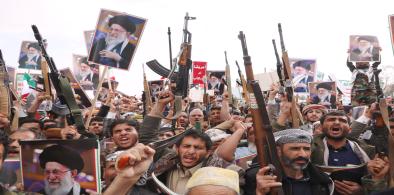
Expanding the arc of aerial/missile destruction to the Bab el-Mandeb would irreparably threaten the last viable option for Gulf oil exports and a regional war will soon cascade into an ‘epic’ global crisis. Ironically, the tally of death and destruction is barely mentioned and the war sanitized to a daily video ritual. Scroll and move on. …

As two large maritime nations with aspirations to be global leaders, and who have also been identified as contributors to both these problems (China in both cases and India in relation to plastic pollution), if Beijing and Delhi are committed to equitable global governance, their actions on the ground must harmonize with their policy rhetoric…
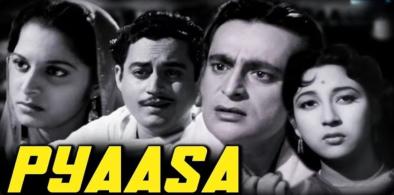
While a deep and brooding darkness engulfed Guru Dutt in the last few years of his life, a glowing light is now being focused on his amazing body of work – from Baazi (1951) to Baharen Phir Bhi yengi which was incomplete when the filmmaker died and was completed by his team and released in 1966.
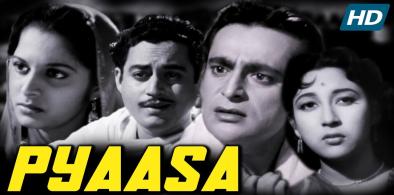
The most celebrated films in the Dutt oeuvre - Pyaasa (1957) and Kaagaz Ke Phool (1959), explored themes of unfulfilled love, societal alienation and the struggles of the human spirit, making him the unsung poet of Indian cinema. TIME magazine included Pyaasa in its ‘100 Best Films of All Time’